Aboriginal Maribyrnong: the River, Traditional Custodians and Local Heritage
Explore Aboriginal Maribyrnong: the river, traditional custodians and local heritage, with clear guidance on Country, culture and respectful visits.
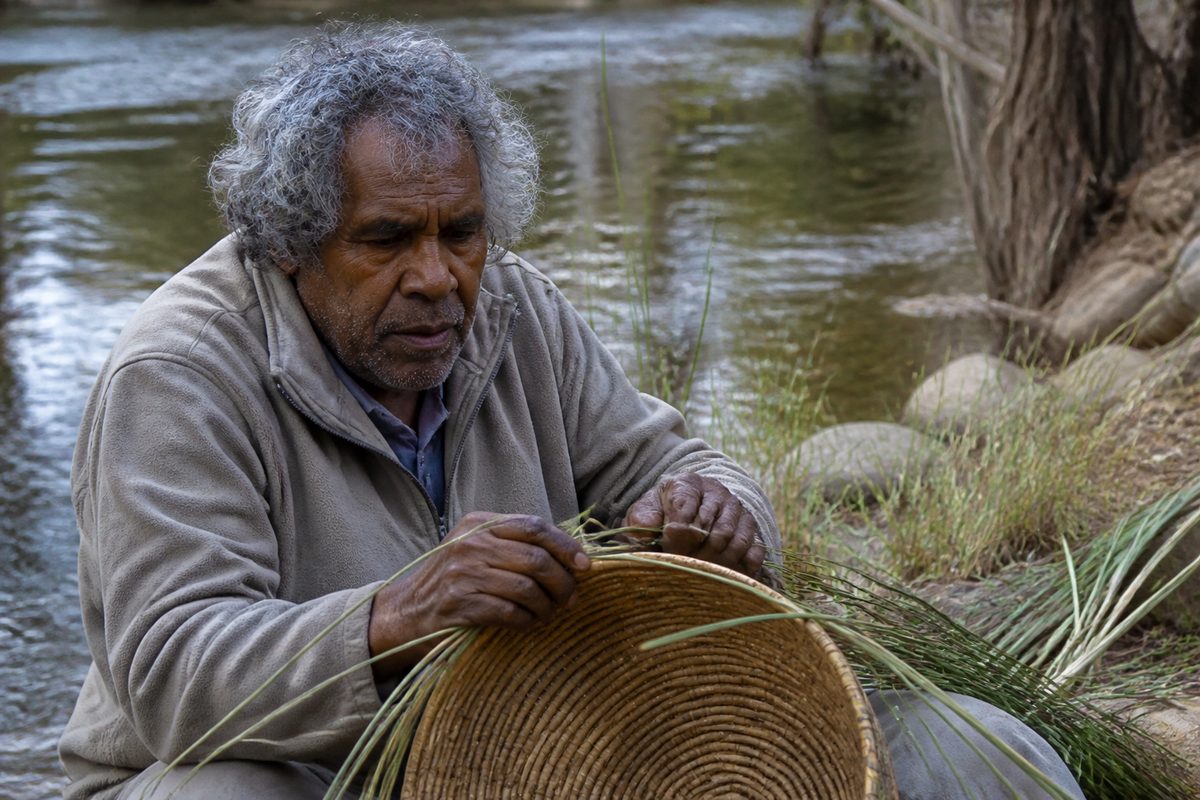
Aboriginal Maribyrnong is a living story of Country shaped by the river, its Traditional Custodians and continuing cultural practice. The Maribyrnong River is more than a line on a map or a place for recreation. It forms part of a cultural landscape that holds knowledge, travel routes, food sources, meeting places and evidence of long Aboriginal occupation.
That story did not end when farms, quarries, factories and suburbs changed the river. Wurundjeri people and other Aboriginal communities maintain connections to Country today. Their authority should guide how local history is told, how heritage places are managed and how visitors behave near sensitive sites.
Whose Country does the Maribyrnong River cross?
The river passes through more than one area of Traditional Country. Its upper and middle reaches are closely connected with Wurundjeri Woi Wurrung people. Areas toward the lower river and western side of Port Phillip involve Bunurong cultural interests and responsibilities. Exact boundaries cannot be reduced to one simple suburban line.
The Wurundjeri are part of the Kulin nation, a group of connected peoples whose Countries cover much of central Victoria. These peoples held their own languages, laws and responsibilities while maintaining links through marriage, ceremony and exchange. Rivers helped connect communities rather than acting as hard borders in the modern sense.
Present-day heritage work also uses formal areas set under Victorian law. The Wurundjeri Woi Wurrung Cultural Heritage Aboriginal Corporation and the Bunurong Land Council Aboriginal Corporation hold recognised roles in protecting Aboriginal Cultural heritage within their appointed areas. Those legal areas help decide which organisation evaluates a project or heritage matter. They should not be treated as a complete map of every historic relationship to Country.
This distinction matters in Maribyrnong because the word can mean the river, the suburb or the wider council area. A statement that may fit one river reach may not fit every place carrying the Maribyrnong name. For a specific site, confirm the address and seek guidance from the relevant Traditional Owner organisation.
Why was the river central to life on Country?
The river supplied fresh water and supported plants, fish, birds and other animals. Its flats and terraces offered places to camp, gather food and move through Country. Seasonal changes shaped when people visited certain areas and which resources were available.
Aboriginal knowledge treated these features as connected. Water health affected plants. Plant growth affected animals. The condition of one place could shape life farther along the river. This way of reading Country differs from viewing the river as a separate waterway bordered by unrelated patches of land.
The valley also formed a natural travel corridor. People could follow the river between inland areas and the lower reaches near Port Phillip. Tributaries, rises and crossing points helped organise movement. Some routes later influenced colonial roads because newcomers often followed paths already shaped by Aboriginal use.
Flooding was part of this system. It refreshed wetlands and changed where food could be gathered. Modern walls, drains and buildings have altered that cycle, but the river still shows why water cannot be understood apart from the land around it.
What does the river’s name tell us?
The name Maribyrnong is commonly linked to an Aboriginal word or phrase, but published meanings and spellings vary. Some accounts connect it with the sound or presence of a ringtail possum. Other accounts offer different translations. The safest reading is that the current name has Aboriginal roots while its exact original form remains uncertain.
This uncertainty reflects what happened when colonists wrote Aboriginal words in English. Different listeners recorded the same sounds in different ways. They often removed words from the setting that gave them meaning. Later writers then copied those spellings as if each version carried the same authority.
Oral tradition works through people, place and responsibility. It is not a rough early form of written history. Knowledge can belong to particular families or knowledge holders, and some parts may not be open for general use. A neat translation on a sign may therefore tell only a small part of the story.
Place names still matter because they show that Aboriginal language survived within the modern city. They also invite a better question than asking for a quick English definition: who holds the knowledge behind the name, and how do they want it used?
What evidence of Aboriginal life may remain near the river?
Aboriginal places may include artefact scatters, stone tools, shell deposits, earth features and trees altered through cultural use. Some evidence sits below the surface. A place can also hold cultural value without a visible object.
A Scarred tree is one example people may recognise. Aboriginal people removed bark for items such as containers, shields or canoes. When the tree survived, new growth formed around the exposed area. The shape, age and tool marks can help trained specialists assess whether a scar is cultural.
Visitors should never cut, touch or climb on a suspected Scarred tree. A natural wound, fire damage or old fence cut can resemble cultural scarring, so appearance alone is not proof. Report a possible place to the land manager or the proper heritage authority rather than posting its exact location online.
Riverbank development has damaged or covered many places. Quarrying removed soil and rock. Industrial works reshaped banks. Flood controls and housing disturbed older ground. Survival is uneven, which makes the setting around recorded material especially useful. An object without its location loses much of what it can reveal about how people used the river.
Why is the whole river corridor a cultural landscape?
A cultural landscape is a place formed through the long relationship between people and Country. Along the Maribyrnong, that includes the waterway, slopes, plants, movement paths and places where knowledge was taught or practised. Heritage does not stop at the edge of a recorded archaeological site.
This view changes how people read an urban river. A concrete path may follow an older movement corridor. A patch of native plants may hint at the ecology that once supported food and medicine. A high point above a bend may explain why that location offered a broad view or safe ground.
In my experience, the river makes more sense when a walk pauses at changes in landform rather than racing between named landmarks. At a bend, look at the low floodplain and the higher terrace behind it. The shape of the ground explains where water moved and why people may have chosen different areas in different seasons.
This does not mean visitors should guess that every rise was a camp or every old tree was used by Aboriginal people. Country should be read with care. Interpretation from Traditional Owners carries more weight than an attractive personal theory.
How did colonisation change Aboriginal Maribyrnong?
Colonisation took land and restricted access to water, food grounds and cultural places. Grazing changed plant life. Construction disturbed sites. Pollution harmed the river, while laws and violence disrupted families and movement across Country.
These effects were direct, yet Aboriginal presence continued. Aboriginal Australians moved through growing towns, maintained family ties and protected knowledge under harsh controls. The idea that Aboriginal history belongs only to a time before Melbourne erases that survival.
Industrial growth changed the lower river with factories, storage areas and transport works. Those sites now receive much attention in local histories because large structures remain easy to see. Aboriginal heritage can be less visible, but it reaches much further back and continues in living community relationships.
A sound local account places industrial history within the older Country it transformed. It also avoids treating colonisation as a single date. Land loss, river damage and limits on cultural access developed over generations and still affect heritage care.
Who protects Aboriginal heritage now?
Traditional Owners lead cultural authority. Registered Aboriginal Parties have formal duties under Victorian heritage law, including roles in Cultural Heritage Management Plans and decisions about certain activities. Government agencies, councils and land managers also carry legal duties, but official process does not replace Traditional Owner knowledge.
The Wurundjeri Woi Wurrung Cultural Heritage Aboriginal Corporation represents Wurundjeri Woi Wurrung interests across its recognised area. The Bunurong Land Council Aboriginal Corporation performs corresponding work within its area. Their work can include assessing proposed development, advising land managers, recording places and supporting cultural education.
Protection often begins before digging. A project near a waterway may need specialist assessment because river corridors have a higher chance of holding Aboriginal cultural material. Early advice can change a design, reduce ground disturbance or keep work away from a sensitive place.
If suspected material appears during excavation, work should stop around the find. Moving an object destroys context and may breach the law. The correct response is to protect the area and contact the responsible authority or Traditional Owner organisation.
What gets misunderstood about Traditional Custodians?
Traditional Custodianship is an active relationship with Country. It includes inherited rights, duties and knowledge. It is not an honorary label granted by a council, museum or visitor.
Acknowledging Country and welcoming people to Country are also different practices. A Traditional Owner gives a Welcome to Country. Other people may give an Acknowledgement of Country to show respect for the Custodians of the place where they meet.
Terms do not transfer cleanly between countries. First Nations in Canada is a term shaped by Canadian history and law. In Australia, Aboriginal people, Torres Strait Islander people, First Peoples and Traditional Owners have their own uses. The best term depends on the community and setting. When referring to a named people, use the name they use for themselves.
Another common error is presenting Aboriginal culture as one shared set of customs. Communities have distinct Countries, languages and authority. Broad national facts can help with context, but local knowledge should come from local Traditional Owners.
How can visitors learn from the river respectfully?
Start with material created or approved by Traditional Owners. Council signs and general histories can help, but check who supplied the cultural information. A source that names its knowledge holder is stronger than a page that repeats an unattributed story.
On the river, stay on public paths and obey closures. Do not enter fenced ground to inspect a tree or riverbank. Leave stone, shell and other material where it lies. Avoid sharing the exact position of a possible heritage place on social media.
Use the visit to read relationships rather than collect sites. Notice where the bank rises, how tributaries join the river, which native plants remain and where development has changed the channel. This turns a walk into a study of Country without claiming knowledge that has not been shared with you.
Respect also means accepting limits. Some stories are restricted. Some locations should remain private. Access to a public path does not create a right to photograph, map or explain every nearby cultural place.
How should local heritage be taught or written about?
Begin with continuing Country, not with European arrival. Name the relevant Traditional Owners and explain that the river crosses areas with different cultural and legal relationships. Make the source of each Aboriginal name, story or claim clear.
Separate evidence from interpretation. A registered place, an account from a Traditional Owner and a colonial diary do not carry the same kind of authority. Each can add information, but none should be presented without its source and setting.
Avoid turning Aboriginal culture into decoration for an industrial or suburban story. Cultural heritage deserves space to explain law, family knowledge and care for Country on its own terms. It should also connect the past with current organisations and living community work.
When a fact is uncertain, state what is uncertain. This is especially useful for place-name meanings and old boundary descriptions. Honest limits protect readers from repeating weak claims as fact.
What should you do before exploring Aboriginal Maribyrnong?
Check whose recognised area covers the exact part of the river you plan to visit. Read Traditional Owner material for that area. Choose public paths and follow any signs protecting vegetation or heritage places. If you lead a group, set these rules before the walk begins.
Look at the river as connected Country rather than a row of attractions. That shift reveals why water, land and cultural authority belong in the same account of Maribyrnong.
Your next step is to find one Traditional Owner-approved resource for the exact river reach you will visit and read it before you go.