Renting in Maribyrnong: Apartments, Houses and What to Check Before Moving
Renting in Maribyrnong: compare apartments and houses, then check heating, smoke alarms, flood risk, noise and your rights before you sign a lease.
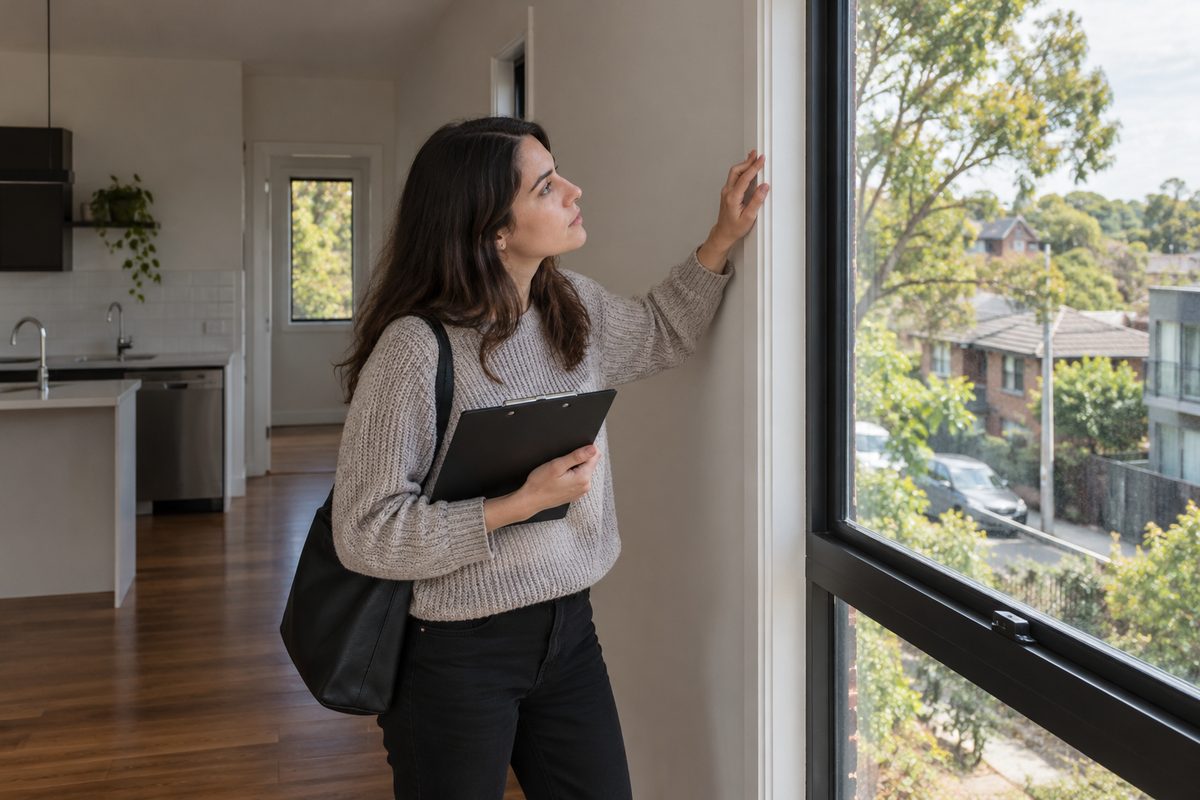
Rent an apartment in Maribyrnong if you want low upkeep, newer fittings and easy shopping; rent a house if you want space, a yard and a quieter street. Either choice works well, but only if you inspect the right things before you sign. This guide covers the checks that matter most in this part of Melbourne's Inner West, and the rules that protect you as a Victorian renter.
Maribyrnong, Victoria sits on a bend of the Maribyrnong River, a short trip from the Melbourne central business district. It mixes older cottages with newer apartment blocks. That mix creates real differences in comfort, noise and running costs. Photos on a listing will not show them.
Which suits you better, an apartment or a house?
Pick the one that matches how you live day to day. Price matters, but fit matters more.
Apartments suit singles, couples and anyone who wants a short walk to shops. Many are newer builds with modern insulation, secure parking and shared gardens. You skip lawn mowing and gutter cleaning. The trade-off is shared walls, shared lifts and body corporate rules. Some blocks ban certain pets or limit moving times.
Houses suit families, sharers and people with pets. You get a yard, more storage and often a front door to the street. The trade-off is age. Many rental houses here are older, and older homes often have weak insulation, single-glazed windows and ageing wiring.
One of my clients moved from a house to a two-bedroom apartment to save time on chores. She loved the lift and the quiet courtyard. Three months in, she realised the bedroom faced a car park entrance. Gates opened and closed from 5 a.m. She had inspected at noon and never heard it. That lesson applies to every rental: visit at more than one time of day.
What do you actually get in each home type?
Compare these points before you apply.
- Space: Houses give more floor area and outdoor room. Apartments give less, but layouts are often efficient.
- Running costs: Older houses can cost more to heat and cool. Newer apartments often hold temperature better.
- Extras: Apartments may include a lift, a gym or storage cage. Houses may include a garage and a shed.
- Rules: Apartments add body corporate rules. Houses add garden upkeep, which your lease will spell out.
Why does the age of the home matter so much?
Age decides comfort. Victorian architecture is common in the wider Inner West, and you will see Edwardian and Federation cottages along with weatherboard homes from later decades. They have charm: high ceilings, timber floors, decorative details. They can also be cold in winter and hot in summer.
In my experience, the best test is simple. Stand in the main living room and look at the windows, the ceiling and the floor gaps. Gaps under doors and around frames let heat out. High ceilings look grand but take longer to warm. Ask the agent what the previous tenants paid for energy in winter. A good agent will have a rough idea, and the tenants may tell you the same if you ask politely.
Newer apartments have their own risks. Cladding, thin walls and small balconies are common complaints. Knock lightly on the shared wall. If it sounds hollow, expect to hear neighbours.
Which heating and cooling should you check?
Check them before you sign. Heating, ventilation, and air conditioning is where rental homes differ most.
Victorian rental rules require a fixed heater in the main living area of homes under newer minimum standards. Ask what type it is and whether it works. A gas wall heater, a split system and a ducted unit all behave differently, and they cost different amounts to run. A split system that heats and cools is usually cheaper to run than an old electric bar heater.
Ventilation matters just as much. Bathrooms without a working fan grow mould. Look at the ceiling corners and window seals for black spots. Mould is common in poorly ventilated flats and old houses with damp walls. Mould is also a sign that the owner has skipped repairs.
When I tried this on a house inspection, I switched on the heater and the bathroom fan myself. The heater took two minutes to start and the fan did nothing. The agent noted both, and the owner fixed them before the lease began. Asking for repairs before you sign is far easier than chasing them later.
How do you test the safety basics?
Look for working safety gear in every home. A Smoke detector must be installed and working in rental properties in Victoria, and the owner is responsible for keeping it in order. Press the test button and listen. If the agent says it is fine but you hear nothing, ask in writing for a fix.
Then check the following:
- Locks on external doors and windows.
- Power points and switches that spark, feel hot or look cracked.
- A safety switch in the meter box.
- Gas appliances that look old or have a yellow flame.
Gas heaters and ovens should have a recent service record. Ask for it. If the owner cannot show one, ask for a service before move-in.
Does flood risk apply to your street?
It can. The Maribyrnong River has flooded low-lying areas in the past, and some streets near the water sit on flood-prone land. Not every home near the river is at risk, and some homes far from it have drainage problems of their own.
Check three things. First, ask the agent whether the property has ever flooded. Second, look at the local flood and land overlay maps held by the council. Third, ask about contents insurance. Your own belongings are your responsibility, not the owner's, and insurers price flood cover by address.
A client of mine rented a ground-floor unit close to the water. It was lovely in summer. After heavy rain, water pooled in the car park and crept into the storage cage. His boxes of books were ruined. He had never asked about flood history. Ask early and put the answer in an email.
What does location change day to day?
Location shapes your week more than the floor plan does. Think about where you go most often and how you get there.
For work in the Melbourne central business district, check train and tram options at the hours you will really travel. A route that looks short on a map can feel long at peak hour. Footscray, Victoria has a major station and a busy town centre, and many Maribyrnong renters use it as their link to the rest of the network. Sunshine, Victoria sits further out and offers another transport hub, so compare your options rather than assuming the nearest stop is best.
For leisure, the Maribyrnong River Trail is the big draw. It suits walking, running and cycling, and homes close to it often rent faster. Walk the stretch near your possible home. See how it feels at dusk, where lighting is thin, and how far the nearest access point sits from your door.
For shopping, a large shopping center nearby means easy errands, but it also means traffic around opening hours and sale days. Streets near a big centre get more cars. If you work from home, listen for delivery trucks and car park noise at mid-morning.
Which council and boundary details help a renter?
Know which local authority handles your street. The City of Maribyrnong is the council that deals with rubbish collection, parking permits, local roads and planning permits. It is one of the Local government areas of Victoria, and its borders do not match suburb borders exactly. Our separate guide on suburb and council boundaries explains the difference in detail.
For you, the practical point is simple. Before you rent, confirm your exact address with the council. Ask about parking permits, bin days and any local rules for the street. Some streets have permit zones that limit how many cars a household can register. That matters if you have two cars and the lease includes only one space.
How do you inspect a rental properly?
Treat the inspection like a test, not a tour. Bring a phone, a charger and a short list. Do not rush because other people are in the room.
- Open and close every window and door.
- Run each tap and flush the toilet. Check water pressure and drainage.
- Look under sinks for leaks and stains.
- Test every power point with your phone charger.
- Check mobile reception in each room.
- Open cupboards and look for pests or droppings.
- Take photos of any damage, however small.
Visit a second time if you can, ideally at night or on a weekend. What I found was that a place can feel peaceful on a Tuesday afternoon and very loud on a Friday night. Noise from pubs, trains and neighbours changes by hour.
What rights protect you before you move in?
Victorian law gives renters clear protections, and knowing them stops agents and owners from pushing you around. Consumer Affairs Victoria publishes the rules and runs the bond authority. Its website explains what a landlord must provide and what you can ask for.
These are the points renters ask about most:
- Bond: For most leases, the bond is capped at one month's rent, and it must be lodged with the Residential Tenancies Bond Authority. Do not pay it to a person without getting a receipt.
- Rent bidding: Owners and agents cannot invite you to offer more than the advertised rent. If someone asks, you can refuse and report it.
- Condition report: You get one at move-in and have a set number of days to return your notes. Take photos and attach them. This protects your bond at the end.
- Rent increases: Rent can only rise once every twelve months, with proper written notice.
- Pets: A renter can ask to keep a pet, and the owner cannot refuse without a valid reason approved through the tribunal.
If a dispute goes unresolved, the Victorian Civil and Administrative Tribunal can decide it. This includes bond disputes, urgent repairs and notices to vacate. Most renters never need it, but knowing it exists gives you leverage in a firm, polite email.
What should you read in the lease?
Read every page. Do not skim. Agents use a standard form lease, but additional terms can be added. Look for the following:
- The lease length and what happens at the end.
- Who pays for water usage.
- Rules on hanging pictures or changing fixtures.
- Garden and lawn duties.
- Any special conditions typed at the end.
A client of mine once signed a lease with a clause that made her pay for professional carpet cleaning at move-out. She had not noticed it. Under standard rules she would only have needed to leave the property in the condition she found it. We could not undo the clause because she had agreed to it. Ask about any term you do not understand before you sign, and ask for changes in writing.
How much should you budget beyond rent?
Rent is only the start. Add up every regular cost before you apply.
Electricity and gas vary by home type. An older house with poor insulation can cost far more to run than a newer apartment. Internet depends on the building, so ask which providers connect to the address. Parking can add cost in apartment blocks if a space is not included. Contents insurance is a small monthly cost that can save you thousands.
If you want a wider view of what local living costs, our article on whether the suburb is expensive covers housing and everyday expenses. For this decision, the useful step is to build your own weekly total and compare two or three homes side by side.
What red flags should make you walk away?
Some warning signs are worth taking seriously.
- The agent refuses to give you a copy of the lease before you pay.
- You are asked to pay by cash or to a personal account.
- Obvious damp or mould that the owner has painted over.
- No working smoke alarm and no promise to fix it.
- Pressure to decide on the spot.
If you feel rushed, slow down. Good homes at fair rents exist, and a rental you rush into costs far more than one more week of searching.
Your next steps before you sign
Do these things in order and you will avoid most renter regrets.
- Decide whether an apartment or a house fits your daily routine.
- Inspect twice, once by day and once at night.
- Test the heating, ventilation, smoke alarm, taps and power points yourself.
- Ask about flood history and read the council's overlay information for the address.
- Read the full lease and question every special condition.
- Photograph everything at move-in and return your condition report on time.
Start today by shortlisting two homes and booking a second inspection for each at a different time of day. That one step will tell you more than any listing photo ever will.